Napa Valley · Community Guide
Calistoga, CA Real Estate
Calistoga sits at the northern end of the Napa Valley, a small spa town of roughly 5,200 residents where geothermal springs, a walkable main street and open hillside land define daily life. Buyers come here for a genuinely small-town pace within a two-hour drive of San Francisco, and the housing stock reflects that mix of historic in-town character and rural privacy.
~$1.2M
Median sale price
60–75
Median days on market
5,200
Residents
Market data
Real Estate Market Snapshot
What the numbers look like in Calistoga right now, explained in context rather than in isolation.
Median sale price
Approximately $1.2 million
Typical price range
$750,000 to $3.5 million
Median days on market
60 to 75 days
Annual appreciation
Low single digits, 2% to 4%
Common home styles
Craftsman cottages, ranch, contemporary hillside
Inventory conditions
Limited, roughly 30 to 45 active listings
Calistoga is a low-volume market. In a typical year fewer than 100 single-family homes change hands inside city limits, so a handful of high-end sales can move the median noticeably from one quarter to the next. Reading a single month of data here is misleading; a rolling twelve-month view is far more reliable.
Entry-level activity generally begins in the mid-$700,000s for a small in-town cottage or an older two-bedroom needing updates. The broad middle of the market runs from roughly $1 million to $1.8 million and covers renovated bungalows near Lincoln Avenue, mid-century ranch homes on larger lots, and newer infill construction. Above $2.5 million, buyers are usually purchasing acreage, views, or a property with vineyard or guest-house potential.
Homes typically take 60 to 75 days to sell, longer than the Bay Area average, largely because the buyer pool is smaller and often out of the area. Well-prepared, correctly priced homes still move quickly. Overpriced listings sit, reduce, and ultimately sell below where they would have landed with accurate pricing at launch.
Appreciation has been modest and steady rather than dramatic, generally in the 2% to 4% range annually over recent years. Insurance availability and wildfire risk assessments now factor into hillside valuations, and buyers should budget for higher premiums on properties above the valley floor.
Daily life
Community & Lifestyle
What living in Calistoga actually feels like week to week.
Shopping and dining
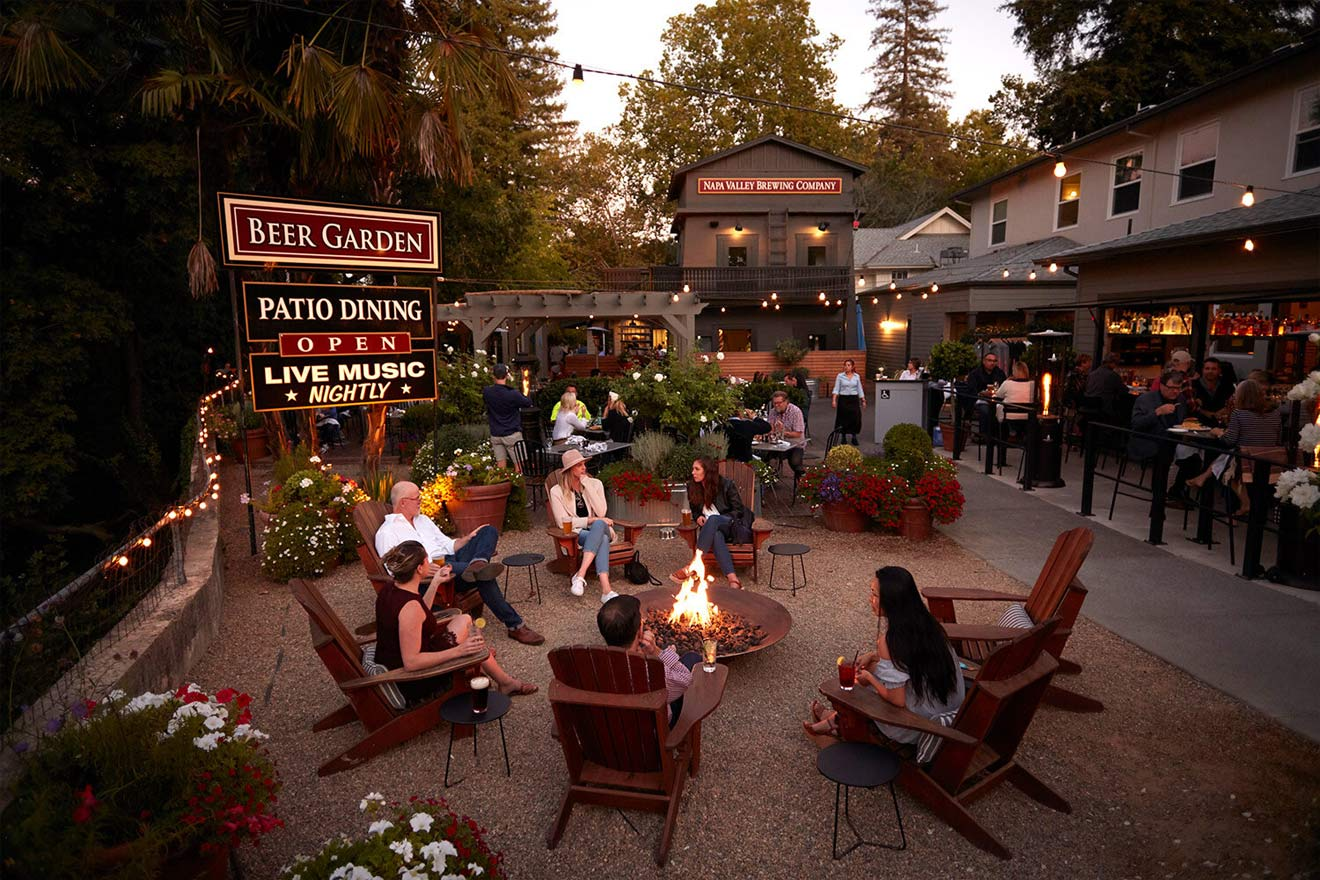
Lincoln Avenue holds the town's restaurants, bakeries, tasting rooms and independent shops within a six-block walk. A full-service grocery serves daily needs, and larger retail is 20 minutes south in Saint Helena or 40 minutes in Napa.
Parks and recreation
The geothermal community pool, Pioneer Park and the Oat Hill Mine Trail anchor local recreation. Bothe-Napa Valley State Park and Lake Berryessa are short drives for hiking, camping and water access.
Schools and commuting
Calistoga Joint Unified serves the town with small class sizes across elementary, junior and senior high. Napa is about 40 minutes south, Santa Rosa 40 minutes west, and San Francisco roughly two hours in normal traffic.
Living in Calistoga means a short walk to nearly everything you use in a given week. Residents tend to know the shop owners, the pace slows sharply after the dinner hour, and tourism concentrates on a few blocks rather than spilling into the neighborhoods.
The trade-off is distance. Specialty medical care, big-box shopping and regional employment are all a drive away, so households usually plan around one longer commute or remote work.
For buyers
Why Buyers Choose Calistoga
Buyers choose Calistoga when they want small-town walkability without giving up access to land and views. It offers the Napa Valley address at a lower entry point than Saint Helena or Yountville, and the housing stock has more genuine variety.
Value relative to the valley
Comparable square footage often prices 20% to 30% below Saint Helena, which brings the Napa Valley within reach for buyers priced out further south.
Walkable daily life
Most in-town homes are within a ten-minute walk of groceries, restaurants and the community pool, which is rare at this price point in Northern California.
Land and privacy
Just outside the city limits, parcels of one to ten acres allow for guest houses, small plantings and real separation from neighbors.
Strong second-home demand
The spa and wine economy supports consistent interest from second-home buyers, which helps sustain values through slower stretches.
For sellers
Why Sellers Benefit
Sellers benefit from persistently thin inventory. With so few homes listed at any time, a well-presented property faces limited direct competition and draws attention from both local move-up buyers and out-of-area second-home shoppers.
Limited competing inventory
With roughly 30 to 45 active listings across all price points, a correctly prepared home stands out rather than blending into a crowded field.
Buyer pool beyond the county
A meaningful share of demand comes from the Bay Area and out of state, which broadens the audience for distinctive properties.
Pricing discipline pays
Homes priced from recent comparable sales consistently outperform those priced aspirationally, both in final price and in time on market.